Is It Possible to Reverse Periodontal Disease?
Periodontal disease, commonly referred to as gum disease, is a pervasive issue affecting a significant portion of the adult population. Many people wonder, “Can periodontal disease be reversed?” Understanding the nature of this disease, its causes, symptoms, treatment options, and the steps one can take toward reversal is essential in managing gum health effectively. In this article, we delve deep into periodontal disease to explore whether it can indeed be reversed and what proactive steps you can take to maintain optimal oral health.
Understanding Periodontal Disease
Periodontal disease is an infection of the tissues that hold your teeth in place. It’s typically caused by poor oral hygiene habits that allow plaque—a sticky film of bacteria—to build up on the teeth and harden. In its early stages, periodontal disease is known as gingivitis. Advanced forms of periodontal disease are called periodontitis. Researchers have linked periodontitis to increased risks of heart disease, stroke, and diabetes. This connection underscores the importance of treating periodontal disease—not only for oral health but for overall health.
The progression of periodontal disease usually begins innocuously with bleeding gums, swelling, and redness. If left untreated, it can escalate to more severe symptoms like receding gums, bone loss, and ultimately tooth loss. Understanding what triggers this disease can help in honing in on effective prevention and treatment methods.
Causes and Risk Factors of Periodontal Disease
While poor oral hygiene is the primary culprit of periodontal disease, several risk factors can exacerbate the condition. Smoking, hormonal changes in women, diabetes, medications, and illnesses such as HIV/AIDS that affect the immune system can increase susceptibility. Furthermore, genetics can also play a role, making some individuals more prone to developing periodontal disease despite good oral hygiene practices.
It’s critical to identify these risk factors early on and understand their implications, as they often contribute significantly to the disease’s progression. Each person’s risk factor will vary, and being aware of them can assist in tailoring a specific oral health care plan aimed at prevention and management.
Early Detection Through Regular Checkups
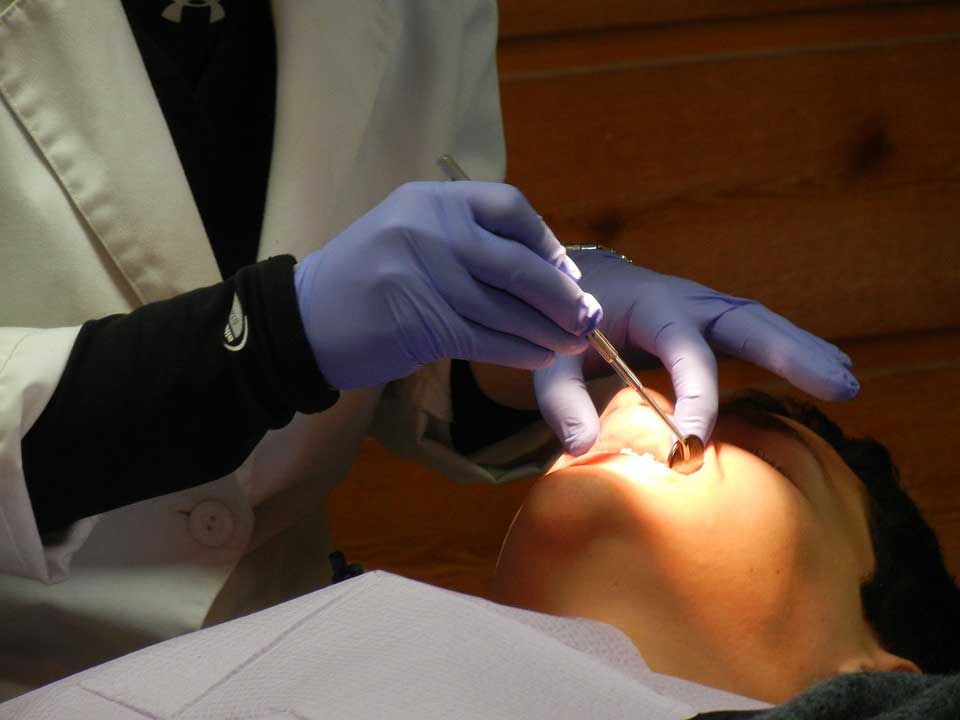
Given the sneaky nature of periodontal disease, it is often termed the “silent disease.” It can progress painlessly, producing few obvious signs until the condition is severe. Regular dental checkups are crucial because they can help detect the disease in its early stages and manage it before it escalates. Dental professionals can identify the beginnings of periodontal disease through examinations and periodontal probing.
A professional cleaning can help remove plaque build-up that regular brushing and flossing might miss. For those at risk, dentists might recommend more frequent cleanings and check-ups. Establishing a consistent oral hygiene routine is critical in thwarting the early onset of gum disease. Visiting practitioners who offer expert periodontal disease care, such as Myers Dental periodontal disease care, ensures you’re in good hands.
Treatment Options: Can It Really Be Reversed?
Whether periodontal disease can be reversed largely depends on the stage at which it is detected. In its earliest stage, gingivitis, the effects of periodontal disease are reversible. This can be achieved with diligent oral hygiene, including thorough brushing, flossing, and routine professional cleanings. Gingivitis is essentially an inflammation of the gums without irreversible bone loss, making its management simpler.
Once it progresses to periodontitis, where the supporting bone has been lost, the disease cannot be entirely reversed. However, its progression can be halted and managed effectively with a combination of professional treatment and rigorous home care. Successful therapy in this stage requires removal of plaque and tartar through scaling and root planing, possibly involving multiple visits to the dentist. As the disease advances, additional interventions like surgery may become necessary to manage the condition.
Lifestyle Changes and Home Care
Stopping tobacco use is a critical first step for smokers. Smoking is one of the most significant risk factors linked to the development of periodontal disease, as it impacts the body’s ability to fight infection. Dietary changes that include more nutrients, less sugar, and omega-3 fatty acids can also bolster gum health. Staying hydrated aids saliva production, which naturally helps to cleanse the mouth.
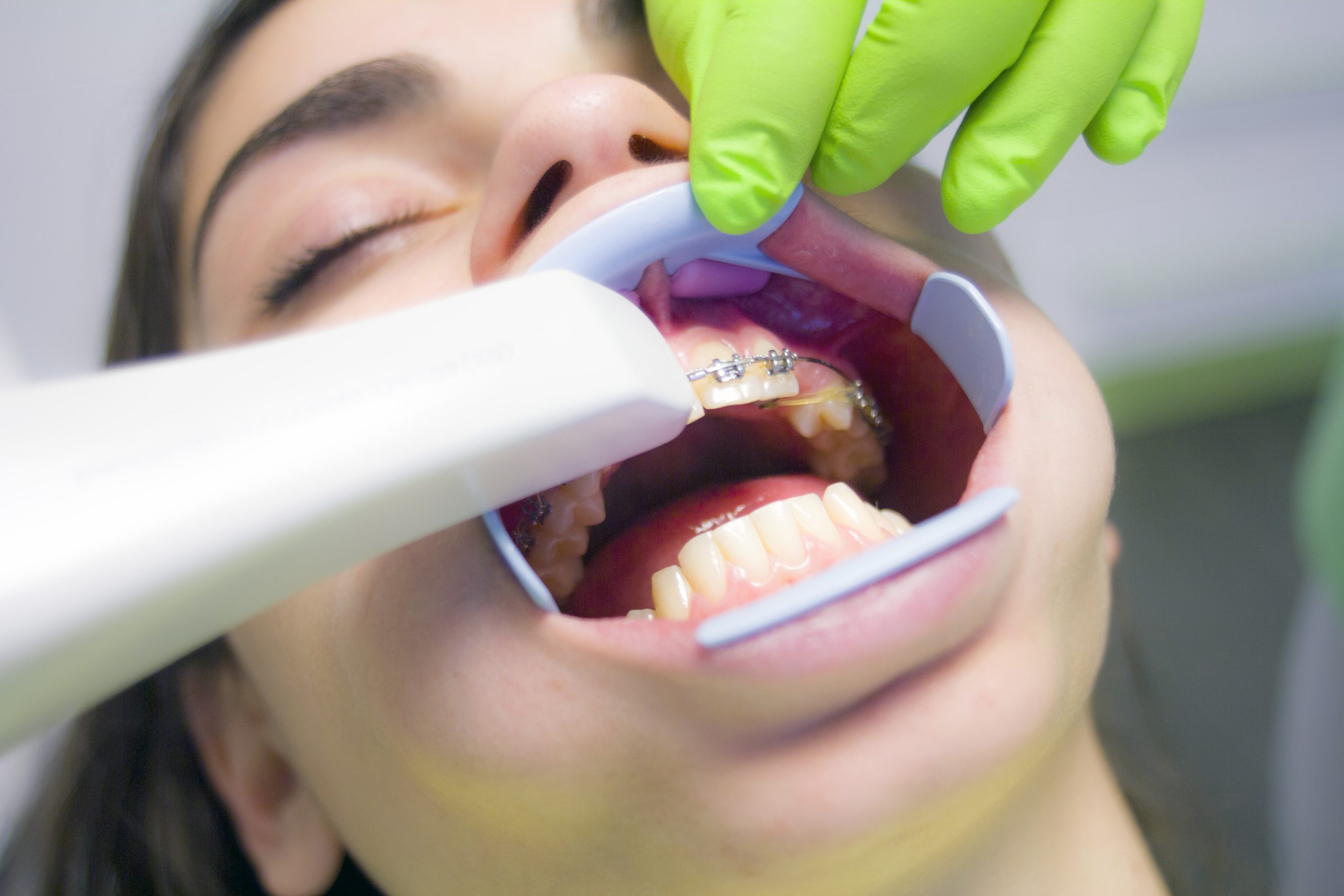
In addition to changes in daily habits, exploring discreet teeth straightening options like Invisalign can aid in improved oral hygiene. Straighter teeth are easier to clean, reducing the accumulation of bacteria and plaque in hard-to-reach areas. For some people, continued improvements in oral hygiene might also mean trialing innovative products such as special toothbrushes, water flossers, and antimicrobial mouth rinses.
Dental Technology: An Ally in Management
Advancements in dental technology play a crucial role in effective management of periodontal disease. For instance, laser therapy has become an option for reducing the size of periodontal pockets and eliminating bacteria without invasive surgery. These cutting-edge treatments can greatly enhance outcomes and encourage healthier gums and teeth.
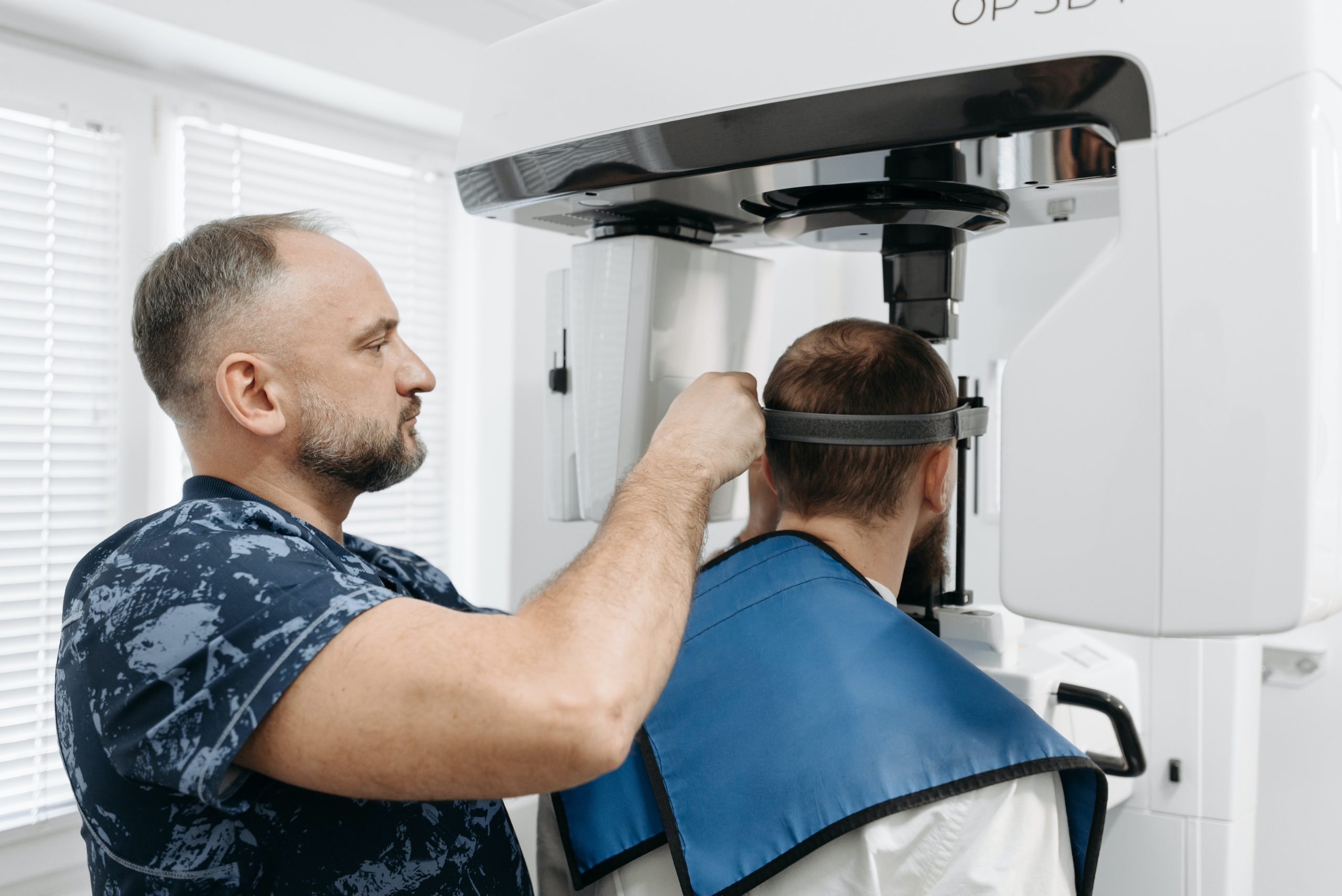
Furthermore, digital imaging and 3D scanning technology improve diagnostics and treatment planning, ensuring individual care is tailored precisely to the patient’s condition. Dentists can examine the gums’ status with unparalleled accuracy, allowing for more effective intervention. As technology advances, we can anticipate even more sophisticated methods of detecting and managing periodontal disease.
When Sleep Apnea Intersects with Gum Health
You might be surprised to learn about the connection between sleep apnea and periodontal disease. Individuals with sleep apnea often breathe through their mouth at night, leading to dry mouth, which is a risk factor for gum disease. Effective management of sleep apnea through therapies can positively impact oral health by reducing these risks. If you are dealing with both sleep apnea and periodontal concerns, it may be worthwhile to explore professional sleep apnea therapy in North Austin, TX.
Treating sleep apnea can alleviate some symptoms of periodontal disease by maintaining optimal saliva flow and reducing the bacterial colonization that thrives in a dry environment. This integrated approach ensures that comprehensive care addresses all facets of one’s health, promoting improved outcomes.
Steps Toward Sustained Oral Health
Moving forward, sustaining oral health involves a combination of awareness, professional guidance, and personal effort. Being proactive with regular dental visits, maintaining robust oral hygiene practices, and altering lifestyle choices significantly improves the chances of reversing or halting periodontal disease. Additionally, gaining an understanding of emerging dental technologies and integrated therapies encourages individuals to embrace a well-rounded approach to healthcare.
In the journey to overcome periodontal disease, empowerment through education and action remains key. With the support of dental professionals and a commitment to self-care, reclaiming gum health and achieving a radiant smile is within reach.