How Can a Sports Mouthguard Help Prevent Dental Injuries?
A sports mouthguard is one of the simplest pieces of protective equipment an athlete can use, yet it protects a part of the body that is difficult, costly, and sometimes impossible to fully restore. Whether the activity involves a ball, a stick, a collision, a fall, or an accidental elbow, the mouth is exposed whenever play gets fast and unpredictable. A properly fitted guard creates a protective barrier over the teeth and helps reduce the force that reaches vulnerable oral tissues.
Dental injuries can interrupt much more than a season. They may affect eating, speaking, sleeping, confidence, and future dental care. The best approach is not to assume an injury only happens in traditionally high-contact sports. Mouthguards are valuable for a wide range of activities, and understanding how they work makes it easier for athletes and families to choose and use them consistently.
What Happens to Teeth During a Sports Impact
When an athlete is hit in the face or falls forward, the teeth can collide with an object, another person, or even the opposing teeth. Front teeth are especially exposed because they extend outward and often take the first point of contact. Depending on the force and angle, an impact may chip enamel, crack a tooth, push it out of position, loosen it, or completely knock it out.
The visible tooth is not the only concern. A blow can injure the lips, tongue, cheeks, gums, jawbone, tooth roots, and the tissues that hold teeth in place. Even an injury that seems minor at first can create later problems, including sensitivity, color changes, pain while biting, or damage inside the tooth. Prompt dental evaluation after a facial impact is wise, particularly when a tooth feels loose, looks different, or no longer meets the opposing teeth normally.
How a Mouthguard Absorbs and Spreads Force
A mouthguard fits over the upper teeth in most cases, creating a resilient layer between the teeth and a potential impact. Instead of allowing a direct hit to concentrate force on one edge or one tooth, the material helps cushion the contact and spread pressure across a broader area. This can reduce the chance that a single tooth bears the full load of the blow.
The guard also separates the upper and lower teeth. That separation matters when an athlete clenches instinctively during contact or when a blow causes the jaws to snap together. By adding a protective buffer, a mouthguard can help limit chipped teeth and damage caused by tooth-on-tooth contact. It cannot make sports risk-free, but it meaningfully improves the odds that an impact will be less severe.
Protection Extends Beyond the Front Teeth
People often picture a mouthguard as protection for the two upper front teeth, but its role is broader. A well-made guard covers the teeth it is designed to protect and supports the soft tissues around them. It can help prevent a sharp tooth edge from cutting the lip or cheek during impact, which is especially useful in sports where falls and close contact are common.
By helping the jaw close in a more cushioned position, a guard may also reduce stress from sudden contact between the jaws. This does not mean a mouthguard can prevent every jaw injury or concussion, and it should never replace a helmet or other required equipment. Its purpose is specific: to protect the teeth and oral tissues while serving as one part of a complete safety routine.
Which Sports Create a Real Need for a Guard
Boxing, martial arts, football, hockey, rugby, lacrosse, and wrestling are familiar examples because direct contact is expected. In these sports, a mouthguard should be treated as essential equipment. However, injuries also occur in basketball, soccer, baseball, softball, volleyball, gymnastics, skateboarding, cycling, skiing, and many other activities where a ball, hard surface, or unexpected collision can reach the face.
A useful rule is to consider the likely ways an athlete could fall, collide, or be struck. If the answer includes a hard floor, pavement, equipment, another player, or a fast-moving ball, a mouthguard is worth discussing. Recreational athletes deserve the same consideration as competitive players. Casual games can become intense quickly, and safety habits are easiest to maintain when they begin before an injury creates a reason to take them seriously.
Custom-Fitted, Boil-and-Bite, and Stock Options
Mouthguards generally fall into three categories. Stock guards come ready to wear but offer limited fit and can be bulky. Boil-and-bite guards soften in hot water and are then shaped at home around the teeth. They are widely available and may be a practical starting point, provided the athlete follows the fitting instructions carefully and replaces the guard when it no longer fits well.
A custom-fitted mouthguard is made from a dental impression or scan and is designed around the athlete’s individual teeth and bite. It tends to stay in place more reliably, which can make breathing and speaking easier during play. The best guard is ultimately the one that fits securely, feels comfortable enough to wear for every practice and game, and is appropriate for the athlete’s sport and dental needs.
A Good Fit Makes Consistent Wear More Likely
A mouthguard that shifts, causes gagging, makes breathing difficult, or requires constant biting to hold it in place is less likely to be worn. Athletes should be able to breathe comfortably and speak when needed without removing it. The guard should not feel painfully tight, but it should remain in position when the mouth is open. A loose guard offers less dependable protection and can become a distraction during play.
Fit is especially important for children and teenagers, whose mouths change as permanent teeth erupt and orthodontic treatment begins. A guard that fit last season may not fit now. Parents and coaches can help by checking equipment before a new season starts rather than waiting until the first game. Athletes should also tell their dental professional about braces, retainers, crowns, missing teeth, or other oral changes that may affect the type of guard they need.
Braces, Restorations, and Other Dental Work Need Extra Attention
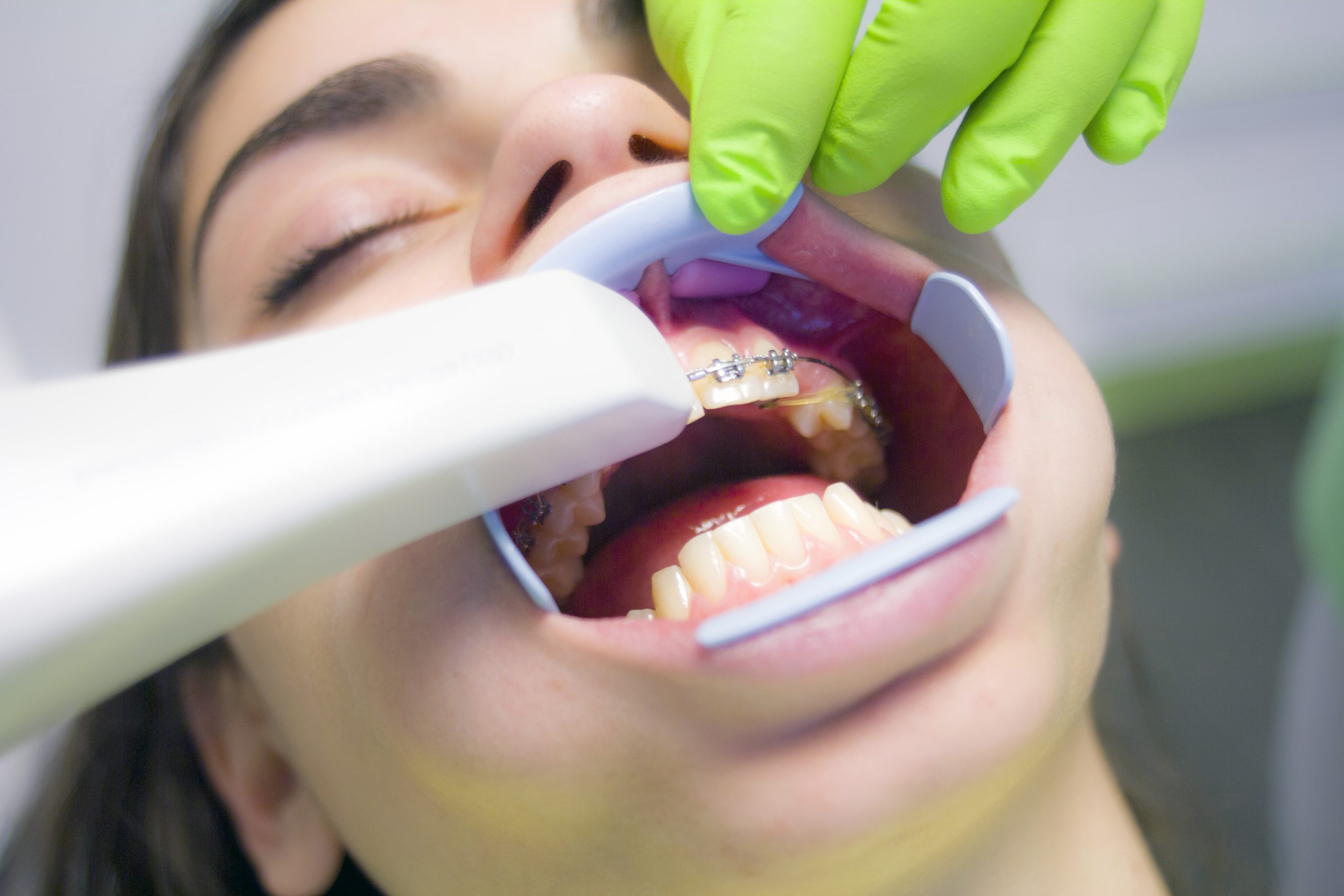
Orthodontic brackets and wires can injure the lips and cheeks if the mouth is hit, so athletes with braces should use a mouthguard specifically suited to orthodontic treatment. A guard provides a smoother surface over the brackets and can reduce the chance of soft-tissue cuts. As teeth move during treatment, the guard may need to be adjusted or replaced to continue fitting properly.
Teeth with existing restorations also deserve protection. A filling can repair a cavity or a small area of tooth damage, but it cannot make the tooth immune to a later sports impact. For readers looking into dental fillings st augustine, it is helpful to remember that protecting a restored tooth during sports may help avoid further fractures or damage around the restoration. Any tooth that becomes painful, cracked, or sensitive after a hit should be examined, even if the filling itself appears intact.
Why a Guard Matters When Teeth Have Been Replaced
Athletes with crowns, bridges, or implants should not assume their dental work removes the need for protection. Restored teeth and replacement teeth are designed to function in everyday life, but a sudden sports impact can still damage surrounding teeth, soft tissues, or supporting structures. A guard made with these features in mind can help protect the investment in oral health while making play more comfortable.
Anyone who has received or is considering dental implants in st. augustine should ask a dental professional about returning to sports and about the right protective device for their situation. Healing timelines and individual treatment needs vary, so personalized guidance is important. Once cleared for activity, wearing a properly fitted mouthguard consistently is a sensible way to reduce avoidable trauma to the mouth.
Cleaning and Storage Keep a Guard Safe to Use
A mouthguard spends a great deal of time in a warm, moist environment, so basic cleaning should be part of every athlete’s routine. Rinse it with cool water after use and clean it according to the manufacturer’s directions or a dental professional’s advice. Hot water can distort many guards, so it should not be used for routine cleaning unless the product instructions specifically say otherwise.
After cleaning, let the guard dry and store it in a sturdy ventilated case. Avoid leaving it loose in a sports bag, on a hot dashboard, or within reach of pets, all of which can lead to damage or contamination. Inspect the guard regularly for tears, sharp edges, thinning material, persistent odor, or changes in fit. A worn-out guard cannot offer the same protection as one that remains smooth, intact, and secure.
When a Sports Injury Needs Urgent Dental Care
Some injuries require immediate action. A tooth that is completely knocked out should be handled carefully by the crown, not the root. If it is dirty, a gentle rinse may be appropriate, but scrubbing or scraping the root can harm important cells. Time matters, so contact a dental professional or emergency service promptly and follow the instructions provided for preserving and transporting the tooth.
Urgent evaluation is also appropriate for a tooth that is loose, displaced, broken with pain or bleeding, or associated with swelling, a deep cut, or a change in the bite. Athletes should not return to play simply because the discomfort fades. Internal tooth injuries do not always announce themselves immediately. Early assessment can help identify concerns before they become more complicated to treat.
Planning Around Extractions and Healing Periods
Not every oral health issue is caused by sports, but an athlete’s schedule can affect recovery from dental treatment. After an extraction, contact activity and vigorous exercise may need to be limited for a period recommended by the treating clinician. A fall, blow to the mouth, or forceful clenching can be especially unwelcome while the area is healing, so athletes should communicate honestly about upcoming practices, competitions, and travel.
For those arranging wisdom teeth removal st augustine fl, asking about return-to-play guidance ahead of time can make it easier to plan around recovery. This is particularly relevant for athletes who use a mouthguard, since the fit and comfort of the guard may change temporarily after oral surgery. Returning too soon or forcing an uncomfortable guard into place can create unnecessary problems.
Coaches and Parents Can Make Mouthguards Routine
Young athletes often follow the example set by adults and teammates. When coaches include mouthguards in the same pre-practice check as shoes, helmets, pads, and water bottles, protective equipment becomes a normal part of participation rather than an optional extra. Clear team expectations also reduce the temptation to skip a guard because it feels inconvenient or because another player is not wearing one.
Parents can support the habit by helping children find a guard that fits, keeping a spare available when practical, and replacing a lost or damaged guard promptly. It also helps to explain the reason behind the rule. Athletes are more likely to care for equipment when they understand that a mouthguard is not just about avoiding a chipped tooth. It is about protecting their ability to eat, smile, speak, and stay active with confidence.
Making Protection Part of Every Game-Day Checklist
Before activity begins, an athlete can take a few seconds to check that the mouthguard is clean, undamaged, and fitting securely. It should be worn during drills and warm-ups as well as formal competition, because many injuries happen outside the moments people think of as high risk. The guard should remain in the mouth unless the athlete needs to remove it for a safe and appropriate reason.
Sports will always involve some unpredictability, and no piece of equipment can eliminate every injury. Still, a comfortable, well-maintained mouthguard offers meaningful protection against common dental trauma. Choosing the right type, replacing it when needed, and wearing it every time are practical steps that help athletes focus on the sport rather than the consequences of a preventable hit to the mouth.