How Long After a Tooth Extraction Can You Get a Dental Implant?
Losing a tooth, whether it cracked beyond repair, became badly infected or had to come out because of gum disease, leaves most people with the same question as soon as the numbness wears off: how soon can I get something back in that space? If you are planning on an implant, the answer depends on a handful of factors that your dentist will weigh together, from the health of your jawbone to the reason the tooth was removed in the first place.
The good news is that there are several well-established approaches, and one of them will usually fit your situation. Some people walk out with an implant placed the same day the tooth comes out. Others wait a few weeks for the gums to settle, and some wait several months so the bone can rebuild. This guide walks through each option, what affects the timing, and what you can do to keep your mouth ready for the next step.
The Short Answer on Implant Timing
In general terms, implant placement after an extraction falls into three broad windows. Immediate placement happens at the same appointment as the extraction. Early placement usually happens once the soft tissue has closed over the socket, which commonly takes somewhere in the range of several weeks to a couple of months. Delayed placement waits until the socket has filled in with new bone, which often takes three to six months, and sometimes longer when a bone graft is involved.
None of these windows is automatically better than the others. Each one suits a different kind of mouth and a different kind of extraction. A healthy front tooth that fractured in a fall may be an excellent candidate for immediate placement, while a molar that came out because of a large abscess may need time for the infection to clear and the bone to recover before anything goes in.
Your dentist will usually decide which window makes sense before the tooth is even removed. That is one of the reasons it helps to talk about implants at the extraction consultation, so the tooth can be taken out in a way that protects the bone around it.
What Happens to Your Jaw After a Tooth Comes Out
To understand why timing matters, it helps to know what goes on beneath the gum once a tooth is gone. Right after the extraction, a blood clot forms in the empty socket. That clot protects the bone and nerve endings and acts as the scaffolding for new tissue. Over the following days and weeks, the gum begins to close over the top while the body slowly lays down new bone inside the socket.
At the same time, something less helpful starts to happen. The jawbone stays strong because the roots of your teeth stimulate it every time you bite and chew. Without a root in place, that stimulation stops, and the bone in the area gradually begins to shrink in both height and width. This process is called resorption, and it is most noticeable in the first several months after an extraction.
This is the central tension in implant timing. Waiting gives the area time to heal and any infection time to clear, but waiting too long allows bone to shrink away. Dentists balance those two forces when they recommend a plan, and it is why many of them suggest preserving the socket with graft material if an implant will not go in straight away.
Immediate Implant Placement: Same-Day Option
With immediate placement, the dentist removes the tooth and places the implant post into the fresh socket during the same visit. In some cases a temporary crown is attached that day as well, which can be especially appealing for a front tooth where a visible gap would be hard to live with.
The main advantages are fewer surgical appointments and a shorter overall treatment timeline. Placing the implant right away can also help preserve the shape of the bone and gum around the site, since the post begins supporting the area before much resorption can take place.
Immediate placement does have requirements, though. The surrounding bone needs to be intact and healthy enough to hold the implant firmly from the start, and there should be no active infection at the site. The tooth also needs to come out cleanly without damaging the walls of the socket. When those conditions are met, many patients do very well with this approach. When they are not, your dentist will likely suggest one of the staged options instead.
Early Implant Placement: Waiting for the Gums to Heal
Early placement is a middle path. The tooth is removed, and the gum is given time to close over the socket before the implant goes in. Commonly this means waiting somewhere around several weeks to a couple of months, though your dentist will set the exact timing based on how your tissue looks at follow-up visits.
The benefit here is that the dentist has healthy, closed gum tissue to work with, which can make it easier to achieve a natural-looking result around the finished crown. Any minor inflammation from the extraction has also had time to settle down. Because the bone inside the socket is still in the early stages of remodelling, there is usually less resorption than with a long delay.
Early placement is often a good fit when the extraction site was mildly inflamed, when the dentist wants to see how the gums heal before committing, or when the tooth came out in a way that left the socket slightly irregular. It keeps the overall timeline reasonably short while adding a margin of safety.
Delayed Implant Placement: Letting the Bone Rebuild
Delayed placement means waiting until the socket has filled in with new bone before the implant is placed. This commonly takes three to six months, and the wait can be longer if the dentist placed a bone graft that needs to mature.
This approach is typical when there was a significant infection, when the tooth broke apart during removal, or when the bone walls around the socket were thin or damaged. Giving the area a full healing period lets the body clear any lingering problems and produce a solid base for the implant to fuse with.
The trade-off is time. Delayed placement adds months to the overall journey, and there is more opportunity for the bone and gum to change shape. That is why a dentist planning a delayed implant will often place a graft at the time of extraction, which helps hold the space and gives new bone something to grow into while you wait.
Factors That Change Your Personal Timeline
Every mouth heals at its own pace, and several factors can push your timeline shorter or longer. Your dentist will look at each of them before recommending a plan, and many of them are things you can talk through openly at your consultation.
The Reason the Tooth Was Removed
A tooth that came out because of trauma, such as a sports injury, often leaves healthy bone behind and may allow for faster placement. A tooth removed because of a deep infection, advanced decay or periodontal disease may leave the surrounding area compromised, which usually calls for more healing time.
Bone Quality and Quantity
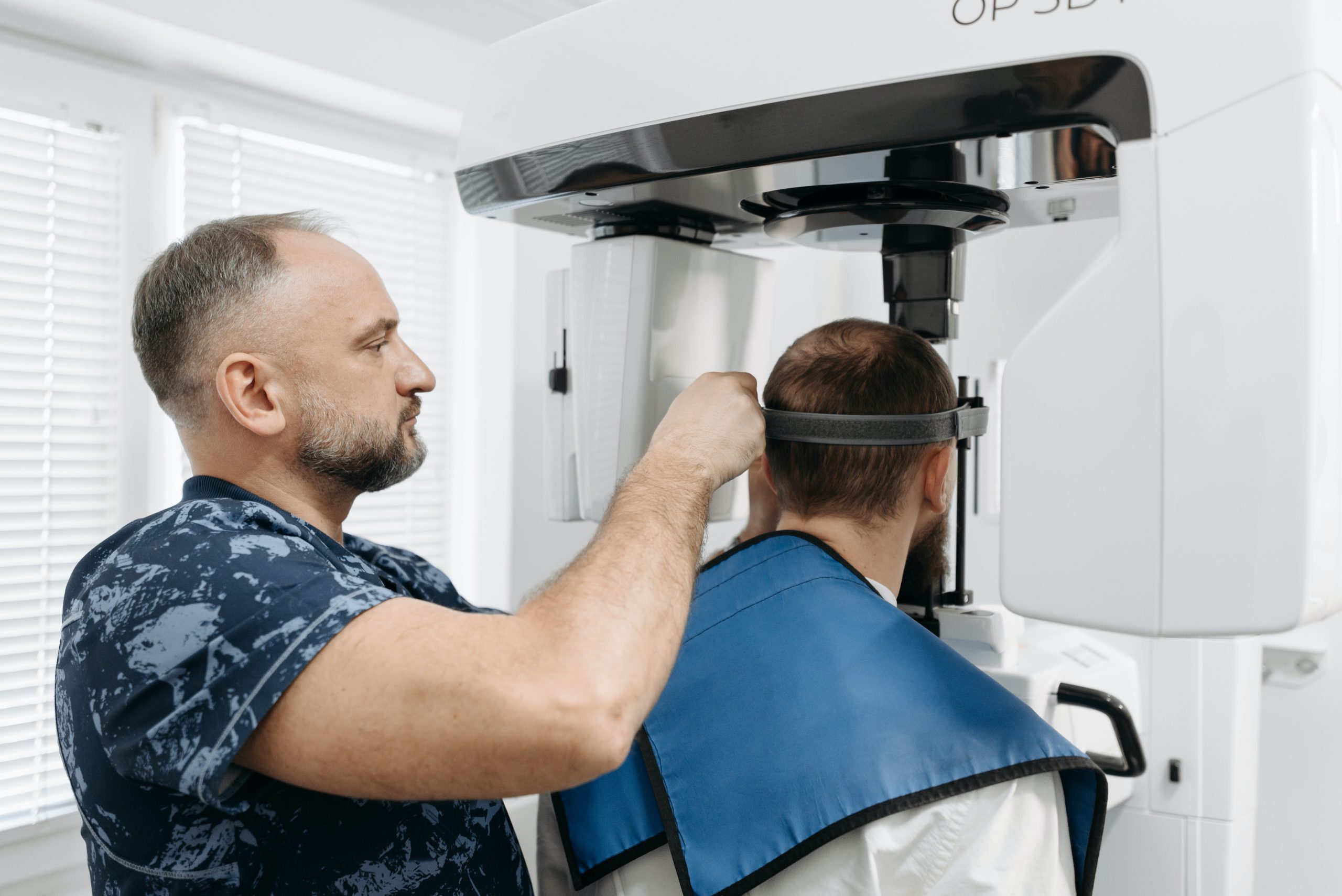
An implant needs enough bone around it to stay stable while it fuses. Dentists commonly use 3D imaging to measure the height, width and density of the bone at the site. If the bone is thin or has already receded, a graft may be needed first, which adds healing time to the plan.
Location in the Mouth
The front and back of the mouth behave differently. Front teeth have high cosmetic demands and thinner bone on the outer side, while molars have larger sockets and carry heavier chewing forces. The upper back jaw sits close to the sinus, and sometimes a sinus lift is needed to create enough room for an implant, which lengthens the process.
General Health and Habits
Conditions that affect healing, such as poorly controlled diabetes, can slow recovery. Smoking and vaping also reduce blood flow to the gums and bone and are widely linked with slower healing and a higher chance of implant complications. Your dentist will ask about your medical history and medications, because some of them influence bone healing too.
The Role of Bone Grafting and Socket Preservation
Socket preservation is a simple but valuable step that many dentists recommend whenever an implant will not be placed immediately. After removing the tooth, the dentist fills the socket with bone graft material and covers it to protect it while it heals. The graft acts as a framework that your own bone gradually grows into and replaces.
The goal is to keep the ridge of bone as full as possible, so that when the time comes for the implant, there is a strong and well-shaped foundation waiting for it. Without preservation, the ridge can narrow enough that a larger graft becomes necessary later, which means another procedure and more time.
If you already had a tooth removed some time ago without a graft, do not worry. Implants are still very often possible. The dentist may simply need to rebuild the area with a graft first, then allow it to heal before placing the post. It adds a step, but it is a routine one in implant dentistry.
From Implant Placement to Final Crown
Getting the implant post into the jaw is only one stage of the journey. After placement, the implant needs time to fuse with the surrounding bone in a process called osseointegration. This is what makes an implant so stable: once it has integrated, the bone holds it much like the root of a natural tooth. Integration commonly takes a few months, and your dentist will check on progress along the way.
Once the implant has integrated, a small connector called an abutment is attached, and impressions or digital scans are taken for the final crown. The crown is then made to match the shape and colour of your neighbouring teeth and secured onto the abutment. In some cases the abutment goes on at the same time as the implant itself, which can save a step.
Putting all of this together, the full process from extraction to final crown can range from a few months with an immediate approach to the better part of a year when grafting and delayed placement are involved. Your dentist can give you a personalised estimate once they have examined the site and reviewed your imaging. If you are still exploring your choices, reading up on replacing missing teeth with dental implants can help you understand the options and the steps before your consultation.
How to Look After the Extraction Site While You Wait
What you do in the days and weeks after an extraction has a real effect on how smoothly the implant stage goes. Protecting the blood clot in the first few days is the top priority, since losing it can lead to a painful condition known as dry socket and can delay healing.
For the first day or so, avoid spitting forcefully, drinking through a straw, smoking and rinsing vigorously, all of which can dislodge the clot. Stick to soft, cool foods and chew on the other side of your mouth. After the first day, your dentist may suggest gentle warm salt water rinses to keep the area clean. Keep brushing and flossing the rest of your teeth as normal, taking care around the extraction site.
Follow any instructions about prescribed medications, and keep every follow-up appointment. Those check-ins let your dentist confirm that the site is healing on schedule and adjust the implant timeline if needed. If you notice swelling that gets worse after a few days, a bad taste that will not go away, fever or pain that increases instead of easing, call your dental office promptly.
Living With a Gap in the Meantime
If you are waiting weeks or months for your implant, you might be wondering what to do about the space. For a back tooth, many people simply go without a replacement during healing, since the gap is not visible and it gives the area a chance to rest.
For a visible tooth, there are temporary options. A removable partial denture, sometimes called a flipper, can fill the space for appearance while the site heals. Another option is a temporary bonded bridge or an aligner-style retainer with a tooth built into it. Your dentist will choose something that does not put pressure on the healing area or any graft underneath.
These temporary solutions are meant to bridge the gap in your appearance and confidence. They are lightweight and less sturdy than the final implant crown, so you will usually be asked to avoid biting hard foods with them.
Why Waiting Too Long Can Make Things Harder
While there is no single deadline for getting an implant, putting it off indefinitely can create new challenges. As the jawbone continues to resorb over time, the area may eventually need a larger graft before an implant is possible. The longer the gap stays open, the more the neighbouring teeth can also start to drift or tilt into the space.
The tooth in the opposite jaw can change too. Without a partner to bite against, it may gradually move out of its socket toward the gap. These shifts can affect your bite, make cleaning harder and complicate the eventual restoration.
If cost, scheduling or nerves are holding you back, it is worth having an honest conversation with your dentist about what a reasonable timeline looks like for you. Even if you cannot move ahead right away, they can explain what to watch for and whether socket preservation or another step would keep your options open.
Questions to Ask Before Your Extraction
If you know a tooth needs to come out and you are interested in an implant, raising it before the extraction gives you the most options. Here are some helpful questions to bring to that appointment:
- Am I a candidate for immediate implant placement, or will I need to wait?
- Will you place a bone graft in the socket after the tooth comes out?
- How much bone do I have at the site, and will I need any additional procedures like a sinus lift?
- What will I use to fill the gap while I heal, if anything?
- What is the expected timeline from extraction to final crown in my case?
- Are there any health conditions or medications that could affect my healing?
Writing your questions down ahead of time makes it easier to remember everything once you are in the chair. Many patients also find it reassuring to see their own scans, so do not hesitate to ask your dentist to walk you through the images.
Choosing the Right Dental Team for the Job
Implant treatment is a process that can span several appointments over a period of months, so it helps to work with a dental team you feel comfortable with and can reach easily. Look for an office that explains each stage clearly, uses modern imaging to plan placement and is happy to answer questions about timing, healing and aftercare.
Continuity matters too. When the same office handles your extraction, any grafting, the implant placement and the final crown, the team has a complete picture of how your mouth has healed at every step. It also makes life simpler for households that like to keep everyone under one roof. For example, readers in southwest Florida who want one practice for check-ups, extractions and restorations sometimes search for a Sarasota dentist for the whole family so that routine care and bigger treatments are handled in one place.
Wherever you live, take a look at a practice’s website before booking. A clear explanation of services and the people behind them, like the information you can find at stricklanddentalsarasota.com, gives you a sense of how an office approaches care and what to expect at your first visit.
The Takeaway for Anyone Facing an Extraction
There is no single number of days or weeks that applies to everyone. Some people can have an implant placed the same day their tooth comes out, others wait for the gums to close over the socket, and some give the bone several months to rebuild, particularly after an infection or a graft. The best timing for you depends on why the tooth was removed, how much healthy bone is present, where the tooth sits in your mouth and how well your body heals.
What you can control is planning ahead. Talk about implants before the extraction, ask whether socket preservation makes sense, look after the site carefully while it heals and keep your follow-up visits. Those steps give you the strongest foundation for an implant that looks natural, feels comfortable and lasts for many years.
If you have a tooth that is causing trouble or a gap you have been meaning to deal with, book a consultation with your dentist and ask about your options. A short conversation and a set of scans will tell you far more about your personal timeline than any general guide can.